





Lose Face Fat A Realistic and Expert Guide to Achieving a Leaner, More Defined Look
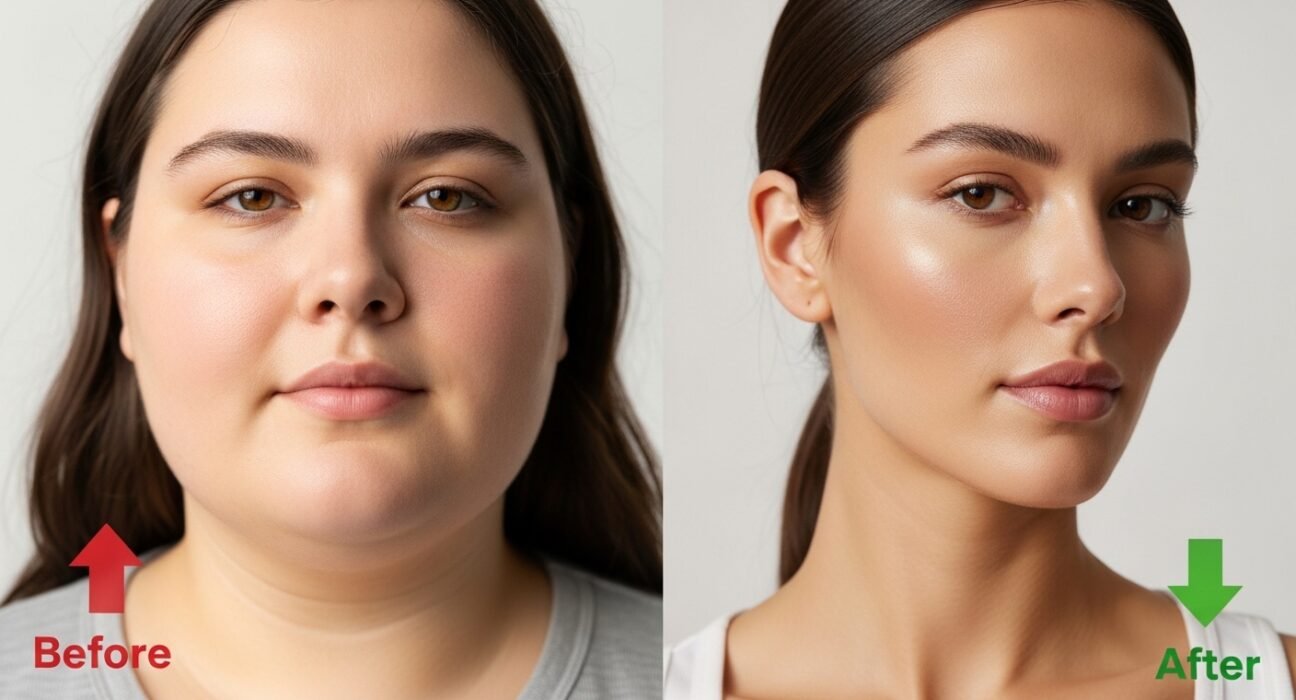
If you’ve ever looked in the mirror and wondered how to lose face fat, you’re definitely not alone. The face is often one of the first places people notice changes in weight, yet it’s also one of the hardest areas to target directly. Unlike building muscle in your arms or legs, you cannot isolate fat loss in a specific area, including your face. Still, that doesn’t mean you’re powerless. With the right approach, you can absolutely lose face fat and reveal a more sculpted, defined appearance.
The key is understanding that facial fat loss is part of overall body fat reduction. At the same time, lifestyle habits, hydration, diet, sleep, and even posture can influence how your face looks. This guide breaks everything down in a practical, expert way—without unrealistic promises or gimmicks—so you can take real steps toward a slimmer, healthier face.
Understanding Why Face Fat Happens
Before you try to lose face fat, it’s important to understand why it appears in the first place. Face fat is not just about weight gain. Genetics, lifestyle, water retention, and aging all play a role. Some people naturally carry more fat in their cheeks or jawline, while others may notice puffiness due to diet or lack of sleep.
One major factor is overall body fat percentage. When your body stores excess fat, it doesn’t choose where to place it based on your preferences. For some, the face becomes a noticeable storage area. That’s why trying to lose face fat without addressing overall health rarely works.
Another contributor is water retention. High sodium intake, dehydration, and poor sleep can all make your face appear puffier than it actually is. This type of fullness is different from fat and can fluctuate daily. Understanding the difference helps you take smarter steps rather than chasing quick fixes.
The Truth About Spot Reduction and Face Fat
One of the biggest myths in fitness is that you can target fat loss in a specific area. Unfortunately, you cannot do exercises that directly help you lose face fat alone. Fat loss happens systemically, meaning your body decides where it loses fat first.
This doesn’t mean you shouldn’t take action. It just means your strategy needs to be broader. When you reduce overall body fat through proper diet and activity, your face will naturally become slimmer over time. For some people, the face leans out early, while for others it’s one of the last places.
It’s also worth noting that patience is essential. Trying to lose face fat quickly often leads to unhealthy habits or disappointment. A steady, consistent approach will always give better, longer-lasting results.
Nutrition Strategies That Help Lose Face Fat
Diet plays a massive role when your goal is to lose face fat. What you eat directly affects not only fat storage but also water retention and inflammation, all of which influence how your face looks.
Start by focusing on whole, unprocessed foods. Fresh vegetables, fruits, lean proteins, and healthy fats support your metabolism and reduce unnecessary bloating. Highly processed foods, especially those high in sodium and sugar, can make your face look fuller and less defined.
Hydration is equally important. Drinking enough water helps flush out excess sodium and reduces puffiness. When your body is dehydrated, it tends to retain water, which can make your face appear swollen. Staying properly hydrated is one of the simplest ways to support your effort to lose face fat.
The Role of Physical Activity in Losing Face Fat
Exercise is a crucial part of any plan to lose face fat, even though it doesn’t target the face directly. Cardiovascular activity helps burn calories, which leads to overall fat loss. Over time, this reduction becomes visible in your face.
Strength training is just as important. Building muscle increases your resting metabolism, meaning your body burns more calories even when you’re not active. This contributes to fat loss in all areas, including your face.
Consistency matters more than intensity. You don’t need extreme workouts to see results. Regular movement—whether it’s walking, running, cycling, or lifting weights—creates the conditions your body needs to gradually lose face fat.
Facial Exercises and Their Real Impact
You’ve probably seen claims that facial exercises can help you lose face fat. While these exercises can improve muscle tone, they do not directly burn fat in the face. However, they can still play a small role in enhancing your appearance.
Facial exercises can help tighten and strengthen the muscles beneath the skin. This can create a slightly more lifted and defined look, especially around the jawline and cheeks. While the effect is subtle, it can complement overall fat loss.
The key is to manage expectations. Facial exercises are not a replacement for proper nutrition and exercise. Think of them as a small addition to your routine rather than the main solution.
How Sleep Affects Your Ability to Lose Face Fat
Sleep is often overlooked, but it has a powerful impact on your ability to lose face fat. Poor sleep can lead to hormonal imbalances that increase hunger and promote fat storage.
When you don’t get enough rest, your body produces more stress hormones. This can lead to water retention and inflammation, both of which make your face appear puffier. Over time, lack of sleep can also contribute to weight gain.
Getting consistent, high-quality sleep helps regulate your metabolism and supports fat loss. It also reduces puffiness, making your face look leaner even before significant fat loss occurs.
Managing Stress for a Leaner Face
Stress doesn’t just affect your mind—it also affects your body and appearance. Chronic stress can make it harder to lose face fat by increasing cortisol levels, which are linked to fat storage.
High stress levels can also lead to unhealthy habits like overeating or consuming comfort foods high in sugar and salt. These behaviors contribute to both fat gain and water retention, making your face look fuller.
Managing stress through activities like exercise, meditation, or simply taking time to relax can support your overall goal. A calmer body is more efficient at burning fat and maintaining a balanced appearance.
Reducing Sodium and Processed Foods
One of the quickest ways to improve facial appearance is by reducing sodium intake. High sodium levels cause your body to retain water, which often shows up as puffiness in the face.
Processed foods are a major source of excess sodium. Snacks, fast food, and packaged meals can significantly increase your intake without you realizing it. Cutting back on these foods can make a noticeable difference.
Replacing processed foods with fresh, whole options not only helps you lose face fat but also improves your overall health. It’s a simple change that delivers both short-term and long-term benefits.
The Importance of Hydration for Face Fat Reduction
Hydration plays a bigger role than most people realize when trying to lose face fat. Drinking enough water helps your body function properly and prevents unnecessary water retention.
When you’re dehydrated, your body holds onto water as a survival mechanism. This can lead to a bloated appearance, especially in the face. Staying hydrated helps flush out excess fluids and toxins.
In addition to drinking water, consuming water-rich foods like fruits and vegetables can further support hydration. This combination helps your face appear more defined and less puffy.
Alcohol and Its Effect on Face Fat
Alcohol can have a noticeable impact on your face, especially if consumed regularly. It dehydrates your body, which can lead to water retention and puffiness once your body tries to compensate.
Alcohol is also high in empty calories, which can contribute to overall fat gain. Over time, this makes it harder to lose face fat and maintain a lean appearance.
Reducing or moderating alcohol intake can make a visible difference. Many people notice their face looks slimmer and more defined simply by cutting back.
Posture and Its Surprising Role in Facial Appearance
Posture might not be the first thing you think about when trying to lose face fat, but it actually plays a role in how your face looks. Poor posture, especially forward head position, can create the appearance of a fuller chin area.
Improving your posture helps elongate your neck and define your jawline. This doesn’t directly reduce fat, but it enhances your overall appearance and makes your face look slimmer.
Simple adjustments, like keeping your head aligned with your spine and avoiding slouching, can make a noticeable difference over time.
Building Consistency for Long-Term Results
The most important factor in your journey to lose face fat is consistency. Quick fixes and extreme diets rarely lead to lasting results. Instead, focus on building habits you can maintain over time.
Consistency in diet, exercise, sleep, and hydration creates a steady path toward fat loss. While changes may not happen overnight, they will become noticeable with time and dedication.
It’s also important to track progress realistically. Changes in your face can be subtle, so taking photos or noting how your clothes fit can help you stay motivated.
Common Mistakes to Avoid When Trying to Lose Face Fat
Many people make the mistake of expecting immediate results. Trying to lose face fat too quickly often leads to frustration or unhealthy habits. Patience is essential for sustainable change.
Another common mistake is relying on gimmicks. Products or routines that promise instant results rarely deliver. Focus on proven methods like proper nutrition and regular activity.
Ignoring overall health is another issue. Trying to target only your face without addressing your lifestyle will limit your progress. A holistic approach always works best.
Final Thoughts on How to Lose Face Fat Effectively
Losing face fat is Lose Face Fat not about shortcuts or magic solutions. It’s about understanding how your body works and making consistent, healthy choices that support overall fat loss.
By focusing on nutrition, exercise, hydration, sleep, and stress management, you create the right conditions for your body to gradually lose face fat. Along the way, small habits like improving posture and reducing sodium can enhance your results.
The process takes time, but it is absolutely achievable. With the right mindset and approach, you can develop a leaner, more defined face while improving your overall health at the same time.